Why Democracy Defense Apparel Matters More Than Ever
@vtob59zcp9
Clothes That Speak When Words Are Not Enough
I have been going to protests and marches for more years than I care to count. In that time, I have seen a lot of signs, a lot of chants, and a lot of tired feet. But one thing that has always stood out to me is what people wear. A good t-shirt can say more in a single glance than a hundred speeches. It is a billboard for your values, a conversation starter, and sometimes a shield against despair. That is why the idea of democracy defense apparel has taken root in the activist community. It is not just about looking the part. It is about carrying the message with you, everywhere, every day.
Think about the last time you saw someone wearing a shirt with a pointed political slogan. Maybe it made you laugh. Maybe it made you think. Maybe it made you uncomfortable. That is the point. Political satire and resistance art have always been tools of the people, especially when power feels distant and decisions seem made behind closed doors. When you put on a shirt that defends free speech or civil liberties, you are not just making a fashion choice. You are participating in a long tradition of public protest and civil disobedience, one that goes back to the Boston Tea Party and the suffragettes.
The Roots of Protest Culture
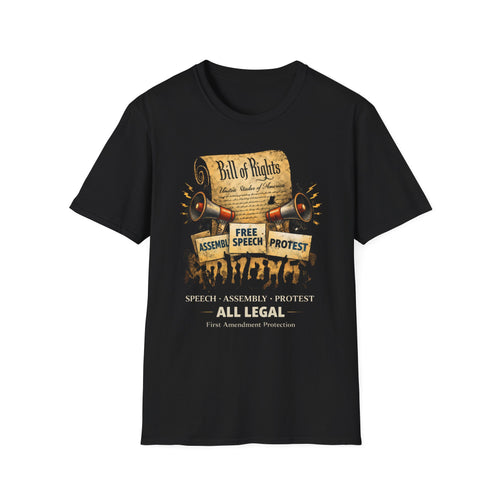
Protest culture in the United States is as old as the country itself. The Bill of Rights, especially the First Amendment, guarantees the right to assemble and to speak freely. But that right only means something if people use it. And they have, in every generation. From the labor movements of the early 1900s to the civil rights marches of the 1960s, from the anti-war demonstrations to the recent fights for voting rights, people have always found creative ways to make their voices heard. T-shirts and protest signs are part of that lineage. They are inexpensive, portable, and impossible to ignore.
What has changed in the last few years is the sheer volume of merchandise flooding the movement space. Anyone can print a slogan on a shirt. But not all of it carries the same weight. The most effective activist apparel is the kind that makes you stop and think. It uses humor, irony, or stark truth to cut through the noise. That is where satirical designs shine. A clever joke can disarm an opponent faster than a shouted argument. It can also build solidarity among people who share the same frustrations.
From Coffee to Canvas: Everyday Activism
Activism is not something you only do on a Saturday afternoon with a megaphone. It is in the small choices we make every day. The coffee you drink, the bag you carry, the shirt on your back. Many people in grassroots movements now choose to buy their coffee from brands that support social justice causes, because every purchase is a vote for the kind of world you want to live in. The same logic applies to what you wear. When you choose democracy defense apparel, you are voting with your wallet. You are telling the world, and yourself, that these values matter enough to display them in public.
I remember a day a few years ago. I was walking through a farmers market, and I saw a young woman wearing a shirt that had a satirical take on a current political figure. I smiled. She smiled back. We did not say a word, but we both knew where the other stood. That is the quiet power of political slogans on clothing. They create instant connections between strangers. They remind us that we are not alone. In a time when many people feel isolated and overwhelmed by the news cycle, that sense of community is priceless.
Why the Design Matters
Not all t-shirts are created equal. A good design is one that can be understood in a second but stays with you for hours. It uses visual shorthand, a symbol or a phrase that carries a world of meaning. The best satirical designs walk a fine line. They are sharp enough to make a point but not so aggressive that they turn people away. That is a hard balance to strike. I have seen designs that were too obscure to be understood, and others that were so blunt they just made people angry. The sweet spot is where humor meets truth, where the message lands with a thud and a chuckle at the same time.
Democracy defense apparel is not just about one issue. It covers a wide range of concerns: free speech, civil liberties, voting rights, social justice, and the defense of democratic institutions. A single shirt might reference the First Amendment, or it might call out a specific injustice. The common thread is a commitment to holding power accountable. That is a value that crosses party lines and ideological divides. It is the foundation of any healthy democracy.
The Role of Satire in Resistance
Political satire has a long and proud history in the United States. From Benjamin Franklin's cartoons to Mark Twain's essays, from the counterculture comics of the 1960s to modern internet memes, satire has always been a weapon of the disenfranchised. It is hard to argue with a punchline. When someone makes you laugh at a politician or a policy, they have already won half the battle. That is why resistance art is so effective. It bypasses the defenses we put up when we think someone is trying to persuade us. It slips in through the back door of humor.
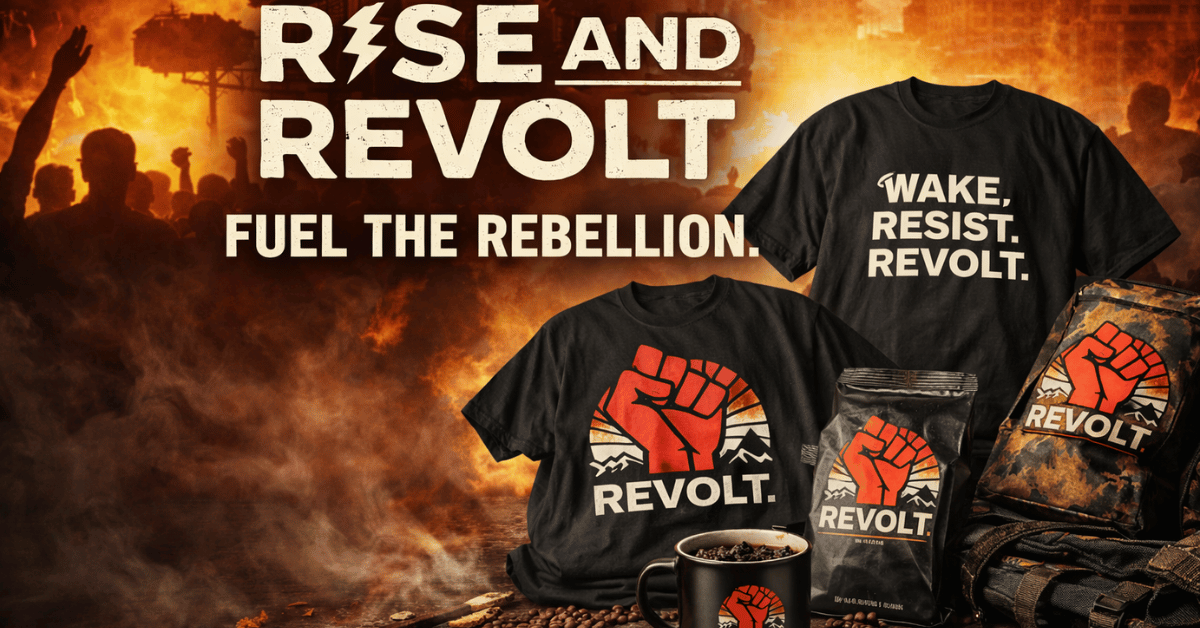
I have seen protest signs that made me laugh out loud, and I have seen t-shirts that made me wince. Both responses are valid. The goal is not to make everyone comfortable. It is to make people think, and sometimes to make them act. That is the purpose of activist apparel. It is a tool, not a solution. It does not replace marching, calling your representatives, or showing up to vote. But it does something those actions cannot do: it keeps the conversation going long after the march is over.
Practical Considerations for Buying and Wearing
If you are thinking about buying democracy defense apparel, there are a few things to keep in mind. First, quality matters. A cheap shirt that fades after one wash does not do your message any justice. Look for durable fabric and good printing. Second, think about the message. Is it something you are willing to stand behind in every context? You might wear a shirt to a protest, but would you wear it to a family dinner or a work event? That is a personal choice, but it is worth considering. Third, consider the source. Some companies donate a portion of their proceeds to causes related to their messages. That can be a way to amplify your impact.
I have owned several shirts over the years that have sparked meaningful conversations. One in particular, a design that referenced the Bill of Rights in a clever way, led to a twenty-minute discussion with a stranger at a coffee shop. We did not agree on everything, but we both left the conversation with a better understanding of the other side. That is rare in today's polarized climate. A simple piece of clothing created that space.
Beyond the Shirt: Other Ways to Show Up
Activist apparel is just one piece of a larger puzzle. Grassroots movements need more than just merchandise. They need people who show up to meetings, who make phone calls, who donate time and money. But clothing is a visible, everyday reminder of the values we hold. It is a way to signal to others that they are not alone. It is also a way to keep the pressure on. When a politician sees a sea of shirts with a satirical slogan, they know they are being watched. That awareness can be a check on power.
And let us not forget the simple pleasure of wearing something that makes you feel connected to a cause. There is a reason that people collect protest t-shirts from different eras. They are artifacts of moments when people stood up and said, "Enough." They are wearable history. The current wave of democracy defense apparel is no different. It is a record of the frustrations and hopes of this moment in time.
Looking Ahead
The fight for democracy is not a sprint. It is a long, messy, often frustrating marathon. There will be wins and losses. The key is to keep showing up. And part of showing up is making sure that your values are visible, that they are part of the everyday fabric of life. Democracy defense apparel is one way to do that. It is not the most important way, but it is a real, tangible one. It puts the First Amendment on your chest and free speech on your sleeve. It makes the abstract concrete.
So next time you are getting ready for a protest or just going about your day, consider what your clothes say. They are already saying something, whether you mean them to or not. You might as well make sure it is something you believe in.